Catullus 68

Original Latin
Quod mihi fortuna casuque oppressus acerbo
conscriptum hoc lacrimis mittis epistolium,
naufragum ut eiectum spumantibus aequoris undis
sublevem et a mortis limine restituam,
quem neque sancta Venus molli requiescere somno
desertum in lecto caelibe perpetitur,
nec veterum dulci scriptorum carmine Musae
oblectant, cum mens anxia pervigilat:
id gratum est mihi, me quoniam tibi dicis amicum,
muneraque et Musarum hinc petis et Veneris.
sed tibi ne mea sint ignota incommoda, Mani,
neu me odisse putes hospitis officium,
accipe, quis merser fortunae fluctibus ipse,
ne amplius a misero dona beata petas.
tempore quo primum vestis mihi tradita pura est,
iucundum cum aetas florida ver ageret,
multa satis lusi: non est dea nescia nostri,
quae dulcem curis miscet amaritiem.
sed totum hoc studium luctu fraterna mihi mors
abstulit. o misero frater adempte mihi,
tu mea tu moriens fregisti commoda, frater,
tecum una tota est nostra sepulta domus,
omnia tecum una perierunt gaudia nostra,
quae tuus in vita dulcis alebat amor.
cuius ego interitu tota de mente fugavi
haec studia atque omnes delicias animi.
quare, quod scribis Veronae turpe Catullo
esse, quod hic quisquis de meliore nota
frigida deserto tepefactet membra cubili,
id, Mani, non est turpe, magis miserum est.
ignosces igitur si, quae mihi luctus ademit,
haec tibi non tribuo munera, cum nequeo.
nam, quod scriptorum non magna est copia apud me,
hoc fit, quod Romae vivimus: illa domus,
illa mihi sedes, illic mea carpitur aetas;
huc una ex multis capsula me sequitur.
quod cum ita sit, nolim statuas nos mente maligna
id facere aut animo non satis ingenuo,
quod tibi non utriusque petenti copia posta est:
ultro ego deferrem, copia siqua foret.
Non possum reticere, deae, qua me Allius in re
iuuerit aut quantis iuverit officiis,
ne fugiens saeclis obliviscentibus aetas
illius hoc caeca nocte tegat studium:
sed dicam vobis, vos porro dicite multis
milibus et facite haec carta loquatur anus.
* * * * * * * *
notescatque magis mortuus atque magis,
nec tenuem texens sublimis aranea telam
in deserto Alli nomine opus faciat.
nam, mihi quam dederit duplex Amathusia curam,
scitis, et in quo me torruerit genere,
cum tantum arderem quantum Trinacria rupes
lymphaque in Oetaeis Malia Thermopylis,
maesta neque assiduo tabescere lumina fletu
cessarent. tristique imbre madere genae.
qualis in aerii perlucens vertice montis
riuus muscoso prosilit e lapide,
qui cum de prona praeceps est valle volutus,
per medium densi transit iter populi,
dulce viatori lasso in sudore levamen,
cum gravis exustos aestus hiulcat agros:
hic, velut in nigro iactatis turbine nautis
lenius aspirans aura secunda venit
iam prece Pollucis, iam Castoris implorata,
tale fuit nobis Allius auxilium.
is clausum lato patefecit limite campum,
isque domum nobis isque dedit dominae,
ad quam communes exerceremus amores.
quo mea se molli candida diva pede
intulit et trito fulgentem in limine plantam
innixa arguta constituit solea,
coniugis ut quondam flagrans advenit amore
Protesilaeam Laodamia domum
inceptam frustra, nondum cum sanguine sacro
hostia caelestis pacificasset eros.
nil mihi tam valde placeat, Ramnusia virgo,
quod temere invitis suscipiatur eris.
quam ieiuna pium desiderat ara cruorem,
docta est amisso Laudamia viro,
coniugis ante coacta novi dimittere collum,
quam veniens una atque altera rursus hiems
noctibus in longis avidum saturasset amorem,
posset ut abrupto vivere coniugio,
quod scibant Parcae non longo tempore abesse,
si miles muros isset ad Iliacos.
nam tum Helenae raptu primores Argiuorum
coeperat ad sese Troia ciere viros,
Troia (nefas!) commune sepulcrum Asiae Europaeque,
Troia virum et virtutum omnium acerba cinis,
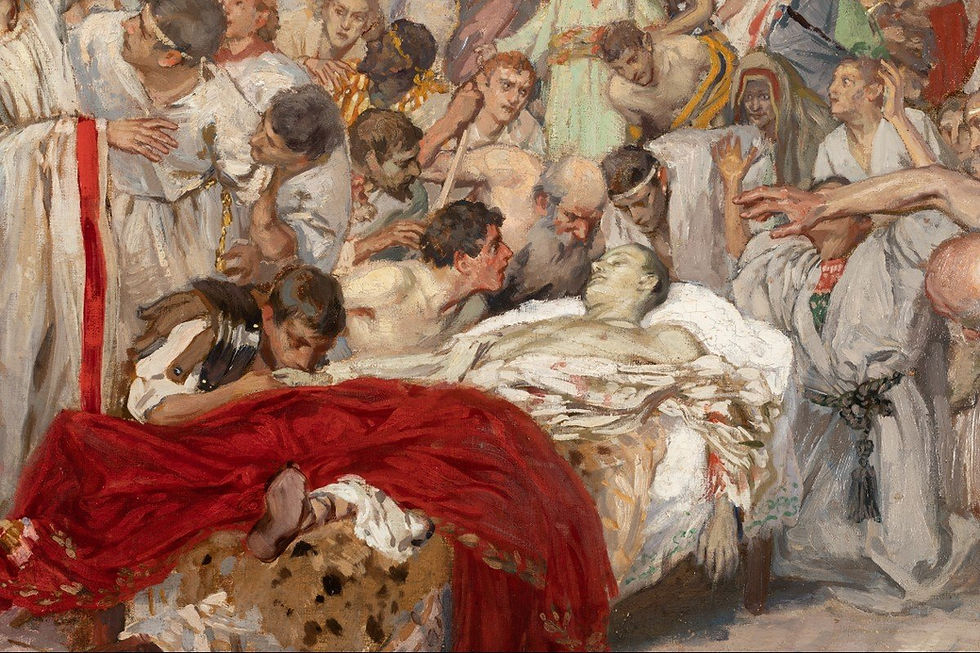
quaene etiam nostro letum miserabile fratri
attulit. ei misero frater adempte mihi
ei misero fratri iucundum lumen ademptum,
tecum una tota est nostra sepulta domus,
omnia tecum una perierunt gaudia nostra,
quae tuus in vita dulcis alebat amor.
quem nunc tam longe non inter nota sepulcra
nec prope cognatos compositum cineres,
sed Troia obscena, Troia infelice sepultum
detinet extremo terra aliena solo.
ad quam tum properans fertur undique pubes
Graecae penetralis deseruisse focos,
ne Paris abducta gavisus libera moecha
otia pacato degeret in thalamo.
quo tibi tum casu, pulcerrima Laudamia,
ereptum est vita dulcius atque anima
coniugium: tanto te absorbens vertice amoris
aestus in abruptum detulerat barathrum,
quale ferunt Grai Pheneum prope Cylleneum
siccare emulsa pingue palude solum,
quod quondam caesis montis fodisse medullis
audit falsiparens Amphitryoniades,
tempore quo certa Stymphalia monstra sagitta
perculit imperio deterioris eri,
pluribus ut caeli tereretur ianua divis,
Hebe nec longa virginitate foret.
sed tuus altus amor barathro fuit altior illo,
qui tamen indomitam ferre iugum docuit.
nam nec tam carum confecto aetate parenti
una caput seri nata nepotis alit,
qui cum divitiis vix tandem iuventus avitis
nomen testatas intulit in tabulas,
impia derisi gentilis gaudia tollens,
suscitat a cano volturium capiti:
nec tantum niveo gavisa est ulla columbo
compar, quae multo dicitur improbius
oscula mordenti semper decerpere rostro,
quam quae praecipve multivola est mulier.
sed tu horum magnos vicisti sola furores,
ut semel es flavo conciliata viro.
aut nihil aut paulum cui tum concedere digna
lux mea se nostrum contulit in gremium,
quam circumcursans hinc illinc saepe Cupido
fulgebat crocina candidus in tunica.
quae tamen etsi uno non est contenta Catullo,
rara verecundae furta feremus erae
ne nimium simus stultorum more molesti.
saepe etiam Iuno, maxima caelicolum,
coniugis in culpa flagrantem concoquit iram,
noscens omnivoli plurima furta Iovis.
atqui nec divis homines componier aequum est,
* * * * * * * *
* * * * * * * *
ingratum tremuli tolle parentis onus.
nec tamen illa mihi dextra deducta paterna
fragrantem Assyrio venit odore domum,
sed furtiva dedit mira munuscula nocte,
ipsius ex ipso dempta viri gremio.
quare illud satis est, si nobis is datur unis
quem lapide illa dies candidiore notat.
hoc tibi, quod potui, confectum carmine munus
pro multis, Alli, redditur officiis,
ne vestrum scabra tangat rubigine nomen
haec atque illa dies atque alia atque alia.
huc addent divi quam plurima, quae Themis olim
antiquis solita est munera ferre piis.
sitis felices et tu simul et tua vita,
et domus in qua lusimus et domina,
et qui principio nobis terram dedit aufert,
a quo sunt primo omnia nata bona,
et longe ante omnes mihi quae me carior ipso est,
lux mea, qua viva vivere dulce mihi est.
My Translation
You send me this letter,
crushed by bitter fate and circumstance,
staining the pages with tears–
you plead that I lift you like
a shipwrecked man is lifted from the
depths of the foaming sea, and
save you from death’s doorstep.
You send me this letter,
you who holy Venus does not let rest gently
on an empty bed, and you whose anxious mind
the Muses do not delight
with their sweet songs of ancient poets–
I am grateful that you call me your friend,
and ask me to deliver the gifts of the gods.
But I must confess, as is my duty as a friend to you, Manius,
that I have sunk into waves of misfortune.
Wretched me may not have the pleasing gifts you seek.
For, from the time when I first received the white toga,
and my youth was blooming,
I played enough–
the goddess was watching, and
she always entangles sweet gifts with bitter worries.
I lost everything when my brother died.
O Brother, stolen from miserable me,
your death stole all my happiness!
In your grave our whole house is buried –
with your death, all the joy
that your sweet love nourished
perished!
Since he died, I have expelled all
pursuits and pleasures from my mind.
You write that it is shameful for Catullus to live in Verona,
for here someone famous can only warm his frigid limbs
under abandoned blankets.
But it is not shameful, Manius–
it is miserable.
Forgive me if I cannot give to you what grief has stolen from me.
As for the books you request, I do not have many here with me.
After all, I live in Rome –
in that city, my home, my place, my life
remains; only one small suitcase followed me here.
Please, do not think I act maliciously or resent you–
I simply cannot supply those things you ask for.
If I could, I would give them to you without delay.
Catullus 68b: In Commemoration
I can no longer be silent, gods,
about all the help and kindness Allius has given me–
I cannot let time, racing to forgetfulness,
bury his services in the
blind, dark night.
I shall tell you, so you tell many thousands,
and this page may speak even when it is ancient.
Let this man be famous everywhere,
and only more so despite his death.
Let no agile spider
weave its thin web, undisturbed,
upon Allius’s work.
You know that the goddess of Amathus
gave me twin troubles, and
I fell, scorching as fiercely as
Sicilian rocks or Oeta’s hot springs.
My eyes kept wasting away, destroyed
with constant weeping, and my cheeks
stayed soaked with bitter rain.
Then, like a clear stream springing
from mossy stone rushes through a sloping valley and,
cutting its way through the crowded fields,
brings sweet comfort to the weary traveler
when the fierce heat splits dry fields,
or like a blessed wind
saves the sailor tossing in the black storm,
now praying to Pollux and Castor–
just like these saviors, Allius brought help to me.
He opened wide expanses closed to me and
gave me and my mistress a home where
we could consummate our love.
Across that home’s worn threshold,
she came, shining, like Laodamia,
who once loved Protesilaus before
the gods thirsted for his blood.
Laodamia, learning from the loss of her husband,
released his neck before
they could enjoy the long winter–
the Fate knew he would die soon after he
waged war on Troy’s walls.
O Troy, grave of Asia and Europe,
O Troy, bitter ash filled with men and bravery–
you, too, stole away my brother–
with you, all the joy of life disappeared.
You, foreign land, hold my brother
so deep underground–
far from familiar tombs and the ashes of relatives.
He is buried in horrid Troy!
He lies beside the conscripted Greeks, who
hurry from every part of their land,
leaving their lovers, so that Paris may please himself,
unconcerned, with his stolen adulteress.
By cruel fate,
a marriage dearer to her than life or breath,
was stolen from
beautiful Laodamia.
A surge of love so powerful has swallowed you,
Laodamia, and dragged you into that sheer abyss–
just like the chasm beneath Cyllene, near Peneus,
which the Greeks say swallowed
the marshy plane when
Hercules, that divinely fathered son,
once dared to dig.
He split apart the mountain’s core
and struck down the Stymphalian monsters
with sure arrows, not effective
if he were a lesser master.
He split apart the mountain’s core
so that the gods would frequent
heaven’s doorstep, and Hebe
would lose her purity.
But somehow, your deep love –
love that taught you, wild girl, to
bear the marriage yoke –
was deeper than this gulf.
Not even a young grandson is dearer
to a father worn with age,
who at last has a worthy heir to his ancestral wealth–
entering his name into the tablets
tears away the greedy hope of lazy kin.
Not even a snow-white dove is dearer
to the young maiden,
who always steals kisses from the bird’s eager beak.
Not anyone is dearer to anyone than
your husband is dear to you!
And my own sunshine–
she, too, as beautiful as Laodamia,
was just as beloved by my embrace.
Around her playful Cupid runs,
shining in his saffron cloak.
Although she is not content with just one Catullus,
we endure the rare, furtive
faults of a “modest” mistress—
we would be fools not to, for even Juno,
greatest of the gods,
often swallows her blazing anger when confronted
with her husband’s infidelity,
although she knew well the constant desires of
passionate Jupiter.
But we shouldn’t compare men to gods–
we men bear the thankless burden of concerned fathers.
Yet she came to me not led by her
father’s hand– she came to me,
alone,
in a house smelling of Syrian incense.
She brought me secret gifts, stolen from the
lap of her very husband, on this
stolen night.
And this, this is enough – if this day alone is all she gives me,
she has made this day brilliant.
This song is my gift to you, Allius,
in return for all your kindness.
With it, neither this day nor any other
will be the day your name is stained with rough rust.
And gods, please add many gifts as well,
just like Themis once bestowed blessings
on the faithless in those ancient days.
Allius, be prosperous –
for you gifted the house where we once played,
and you gifted her,
dearer to me than all others,
dearer to me than myself.
You gifted my light, whose life makes
mine worth living.


Comments